
The First Step: Creating a Business Plan for Your Art Business
By: Meelena Spikes – April 22, 2025
Why I Didn't Start with a Plan
I didn’t start my art business with a written business plan. I had the ideas in my head and thought that was enough.
But very quickly, I started feeling overwhelmed.
My thoughts were scattered. I kept bouncing between tasks—working on my website, switching to packaging, then remembering I hadn’t figured out pricing or how taxes worked.
Everything Felt Urgent
It felt like everything needed attention at once.
I’d make progress in one area only to feel like I was neglecting something else. I wasn’t sure what my next step was supposed to be.
What Changed Everything
Things didn’t really come together until I wrote everything down in a notebook.
I needed to get it all out of my head—every scattered idea and half-finished thought.
A few days later, I went to an event hosted by the Small Business Development Center. They shared a business plan template that surprisingly lined up with what I had written.
The difference was: it was all in one place and structured in a way that made it easier to understand.
When It Finally Clicked
I filled it out, and that’s when things started to click.
I could clearly see what I was offering, who I was trying to reach, and what needed to happen first.
I stopped bouncing between tasks and started moving through them with more focus.
Still a Work in Progress
I still adjust and revisit the plan often, but having something to return to helps me stay grounded and intentional.
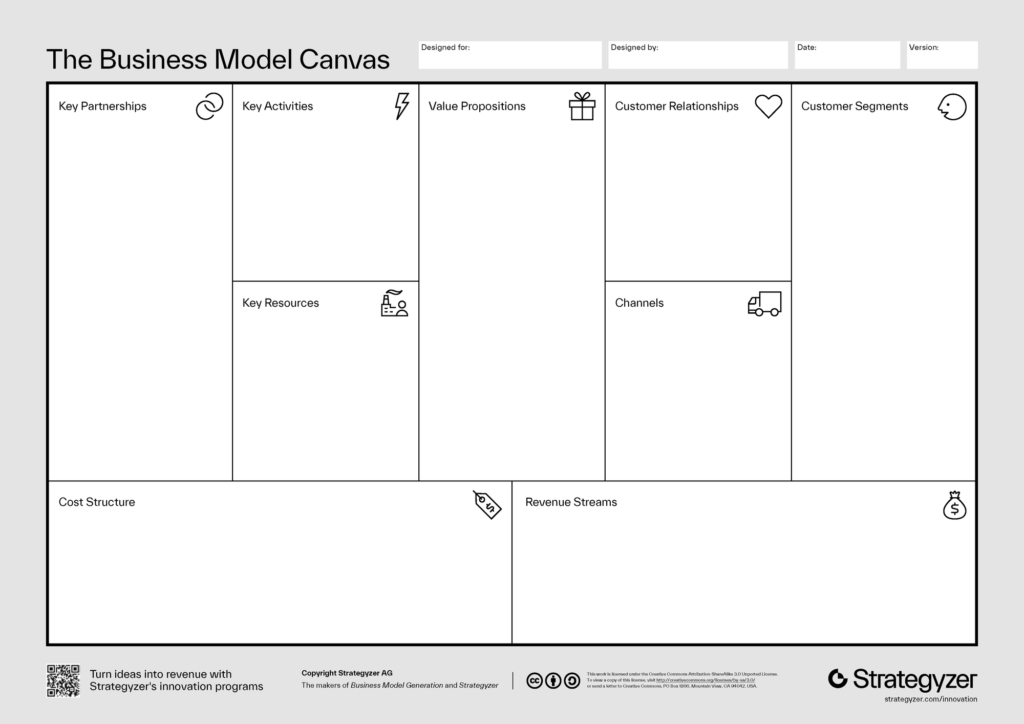
How I Filled Mine Out
This is how I approached my Business Model Canvas while filling it out. I didn’t worry about being perfect, I just treated it like a working map for everything I had going on. Here’s a quick breakdown of how I approached each part:
Key Partners
This section highlights the people, platforms, and organizations that support your business behind the scenes.
These might include mentors who offer guidance, fulfillment services that help you deliver your work, platforms you rely on to sell or create (like WordPress or Printify), and even local businesses or events that help you gain exposure.
Your partners are part of what makes your business sustainable—they help you grow, reach your audience, and stay focused on your art.
Key Activities
This section covers the essential tasks that keep your business moving forward.
These are the things you do consistently, like creating new artwork, updating your online shop, fulfilling orders, managing finances, and promoting your work. They’re the behind-the-scenes actions that bring your business to life and help you connect with your audience.
Knowing your key activities helps you stay focused, prioritize your time, and build systems that support your growth.
Key Resources
These are the tools, materials, and support systems your business depends on.
They include everything from your art supplies, laptop, and website to the platforms you use to create and sell. Key resources can also be less tangible, like supportive people who help you think through ideas or give feedback on your work.
Identifying what you rely on most helps you protect those resources, invest wisely, and plan for growth.
Value Propositions
This section is about what you uniquely offer to the people you’re trying to reach.
What makes your work meaningful, memorable, or different? Whether it’s emotionally rich fine art or playful, accessible designs, your value lies in what only you can create.
It’s not just about what you sell, it’s about the feeling, story, or connection your work brings to someone’s life. That’s what makes your business stand out.
Customer Relationships
This section is about how you build and maintain connections with your audience.
You might take a more personal, intentional approach with collectors, and a lighthearted, playful tone with younger buyers. Whether it’s through one-on-one messages, engaging social media posts, or thoughtful packaging, your goal is to build trust and make people feel seen and connected to your work.
Strong customer relationships turn casual viewers into loyal supporters, and they’re part of what makes your brand feel human.
Channels
This section covers how people discover your work and how you deliver it to them.
You might connect with different audiences through social media, use your website to tell your story and make sales, and reach local supporters through in-person events or word of mouth. The goal is to meet your customers where they are, whether online or offline, and make it easy for them to engage with and purchase your art.
It’s also important to think about how your work gets to them physically. Include the shipping providers or delivery methods you use, especially if you sell prints, originals, or merchandise.
Customer Segments
This section is about understanding who you’re creating for.
You might have one primary audience or several different groups who connect with your work in unique ways. Identifying these segments helps you tailor your messaging, pricing, product offerings, and even where you market, whether that’s Instagram, local pop-ups, or online shops.
Knowing your customers brings clarity to your decisions and keeps your business grounded in purpose.
Cost Structure
This section helps you get clear on what it actually costs to run your business.
Some expenses are regular, like website hosting, art supplies, or subscriptions to design tools. Others come up occasionally, like vendor fees for an art market, shipping materials, or paying a freelancer for help.
Writing everything down gives you a better picture of where your money’s going. It helps you price your work fairly, plan ahead, and keep your business sustainable, not just for your budget, but for tax season too.
In my own experience, I’ve found that simple systems work best — so I’m working on two blog posts that document how I handle my own bookkeeping and how I’ve navigated taxes as a small art business. These will reflect my personal setup, not professional advice.
Revenue Streams
This section is where you identify how money flows into your business.
Your income might come from selling original artwork, commissions, prints, stickers, or digital downloads. You might also earn through in-person events, pop-ups, or third-party platforms like Etsy or Printful.
Listing out your revenue streams helps you see where your income is coming from, what’s working best, and where you might want to grow, simplify, or experiment next.
Final Thoughts
You don’t need to have every answer to start filling this out. The goal isn’t perfection, it’s clarity. Putting your ideas into one place can help you focus and move forward more effectively, and efficiently. Even if your answers change, having a visual to work from makes your business feel real and organized.
Disclaimer: This post is based on my personal experience as an artist and student. It is intended for educational and reflective purposes only and should not be considered business, legal, or financial advice.
This post is part of my Honors Capstone project at Texas State University, where I’m documenting the process of building and managing a small art business as a student. It reflects my personal learning journey and experiences, not formal business advice.